In the high-altitude dryness of Chile's Atacama Desert, a new kind of geological formation has emerged. It is not composed of volcanic rock or ancient sediment, but of discarded polyester leggings, unworn holiday sweaters, and logo-emblazoned t-shirts. This "clothing mountain," now visible from satellite imagery, represents the physical manifestation of a global obsession — and its cost is one the fashion industry has been hiding in plain sight.
What began decades ago as the "democratisation of style" has, by 2026, mutated into a hyper-accelerated extraction machine. As brands like Shein and Temu have pushed the production cycle from months to mere days, the cost of a garment has plummeted to the price of a cup of coffee. But economists and environmental scientists warn that the true invoice is simply being redirected — to the Earth's atmosphere, to the rivers of the Global South, and to the hands of the world's most vulnerable workers.
The Environmental Debt
The fashion industry currently accounts for approximately 10 percent of global carbon emissions, a figure that exceeds the combined footprint of international flights and maritime shipping. Yet the industry's impact is perhaps most visceral in its relationship with water.
To produce a single pair of denim jeans, roughly 2,000 gallons of water are required — enough to sustain one person for several years. In manufacturing hubs like Dhaka, Bangladesh, and Tiruppur, India, the discharge from textile tanneries and dye houses has rendered local waterways biologically dead. These "technicolor rivers" carry a cocktail of lead, mercury, and arsenic, which eventually reach the dinner tables of local communities through contaminated crops and fish.
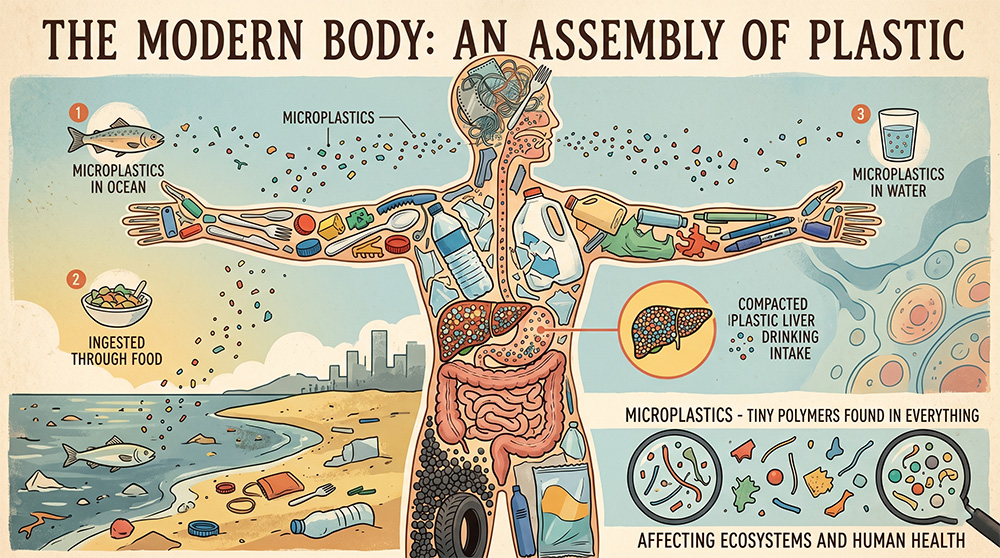
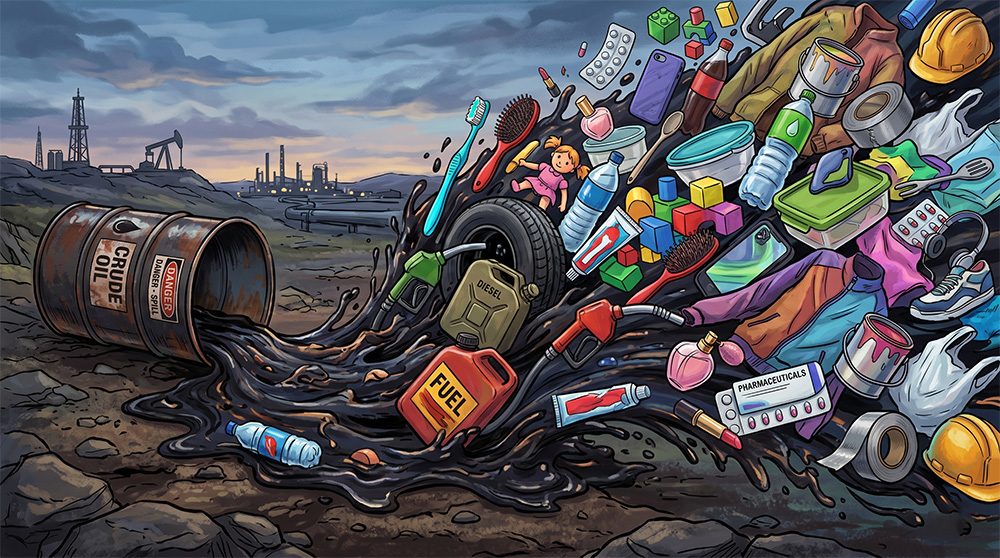
Furthermore, the rise of synthetic fibers — polyester, nylon, and acrylic — has effectively turned the global wardrobe into a fossil fuel derivative. Over 60 percent of modern clothing is made from plastic. Every time these garments are laundered, they shed microplastics. Recent studies suggest that synthetic textiles are responsible for 35 percent of the primary microplastics currently suffocating the oceans. In the "ultra-fast" era, we are not just wearing clothes; we are wearing oil.
We are not just wearing clothes. We are wearing oil — and sending the receipt to the planet.
Gina Sakic, GlamBonThe Human Toll in the Shadow Factory
The promise of fast fashion was built on the back of globalised labour, but the 2013 Rana Plaza collapse — which killed over 1,100 garment workers — was supposed to be a turning point. Instead, critics argue that the industry has simply moved its most egregious practices further into the shadows.
As production quotas rise and lead times shrink, "shadow factories" — unregulated, sub-contracted workshops — have proliferated. In these spaces, child labour remains a persistent ghost. According to 2025 data, millions of children remain engaged in the garment supply chain, often performing hazardous tasks like cotton picking or intricate beadwork that adult hands find difficult.
The consumer sees a bargain, but the worker sees a debt. When a t-shirt costs $5, there is zero margin for a living wage, structural safety, or healthcare. The math simply doesn't work without exploitation.
Dr. Elena Rossi — Labour Rights ResearcherThe Gamification of Consumption
The relentless growth of the industry is fuelled by a sophisticated psychological apparatus. Social media platforms have transformed the "haul" — the act of unboxing dozens of cheap garments — into a dominant form of digital entertainment.
By leveraging the dopamine hit of a "find" and the fear of missing out on a 48-hour trend, retailers have successfully gamified consumption. The average garment is now worn only seven to ten times before being discarded. We have transitioned from a "buy-and-hold" wardrobe to a "disposable content" model, where clothes are treated with the same transience as a social media post — lived in briefly, discarded without ceremony.
The psychological architecture here is deliberate and devastating. Limited drops, countdown timers, and influencer-seeded micro-trends have created a compulsive consumption loop in which the next purchase is never quite satisfying enough to be the last. It is not a wardrobe we are building; it is an anxiety we are feeding.
The Path to "Degrowth"
As the scale of the crisis becomes undeniable, a counter-movement is gaining traction among policymakers and a new generation of conscious citizens.
In the European Union, the Ecodesign for Sustainable Products Regulation is beginning to mandate that garments be durable, repairable, and recyclable. In the United States, proposed legislation like the New York Fashion Act seeks to hold billion-dollar retailers accountable for their environmental and labour footprints. These are meaningful steps — though critics note that legislation tends to lag behind the velocity of the industry it seeks to govern.
We cannot recycle our way out of overproduction. The most sustainable garment is the one you already own. The real revolution isn't a new eco-fiber — it's the radical act of wearing a coat for ten years instead of ten days.
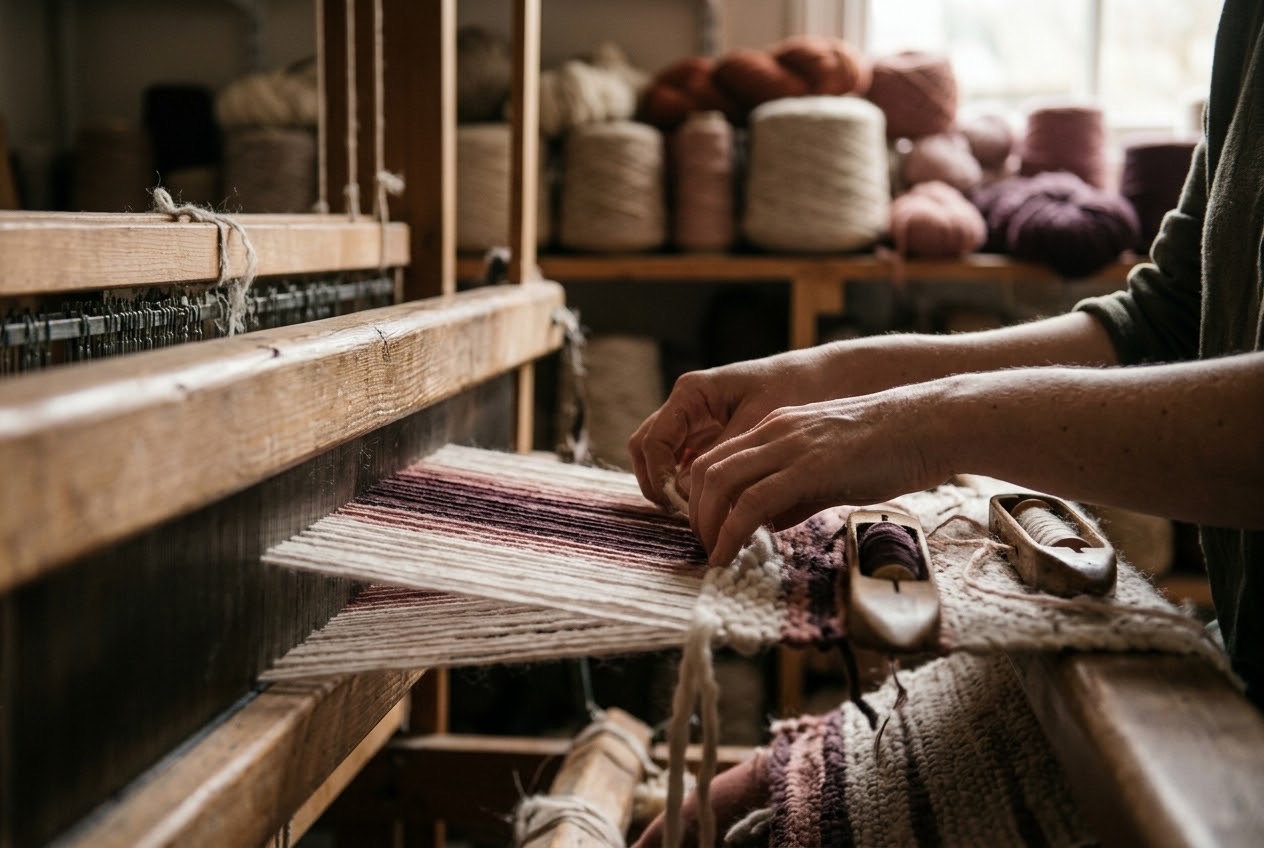
Sarah Thorne — Sustainability ConsultantBut the real alternative, experts suggest, lies in "degrowth" — a fundamental shift away from the volume-based business model. This is not, as some critics caricature it, a call for austerity or the abolition of style. It is an invitation to rethink our relationship with the objects we wear: to value craft over convenience, durability over disposability, and identity over trend.
As the mountains of waste in the Atacama continue to grow, the fashion industry faces a reckoning. The era of the $5 t-shirt may be coming to a close — not because the desire for a bargain has faded, but because the planet can no longer afford to subsidise the discount. The invoice, always real, is finally being delivered.
Questions & Answers